Why Raw Feeders Care About Organ Meat and Bone Broth

Let’s admit it: “organ meat” is not a phrase that makes every human hungry.
For many of us, liver, gizzards, hearts, and other organs are foods we rarely cook or eat ourselves. So when we see them on a dog food ingredient list, the first reaction can be hesitation: Do dogs really need that?
The answer is that organ meats are not strange filler or an extreme “raw feeding” ingredient. They are nutrient-dense animal foods that can make a valuable contribution to a dog’s diet.
And once you get past the human ick factor, their place in the bowl makes a lot of sense.

Why Organ Meat Is So Nutrient Dense
Muscle meat is an excellent source of protein, but an animal is made of more than muscle.
Organs such as liver and gizzards provide a different nutritional profile, supplying naturally occurring vitamins, minerals, amino acids, and other nutrients alongside protein.
Liver, in particular, is exceptionally nutrient dense. That is why organ meat does not need to make up the majority of a meal to matter. A thoughtfully formulated amount can add nutritional variety and complement the nutrients provided by muscle meat and other ingredients.
In other words, organ meat is not included because it sounds dramatic. It is included because it brings something useful to the bowl.

Dogs Do Not Share Our Food Hang-Ups
A lot of our discomfort with organ meat is cultural.
Many modern American diets revolve around familiar cuts such as chicken breast, steak, or ground beef. Organs have largely disappeared from everyday cooking, even though people around the world have eaten liver, heart, kidney, and other organ meats for generations.
Dogs, of course, do not care whether an ingredient would look appealing on a human dinner plate.
What matters is whether the food contributes useful nutrition and fits appropriately into a balanced formula.
That is why seeing ingredients such as chicken liver or chicken gizzards on a dog food label should not automatically be a reason to recoil. In the right proportions, they can be a sign that the formula is making fuller use of nutritious animal ingredients rather than relying only on the cuts humans happen to prefer.
What This Looks Like in Nature’s Diet Foods
You can see this approach throughout the Nature’s Diet line.
Ready Raw®, for example, is made with 96% meat, organ, and bone.
Raw Magic® Chicken includes chicken alongside chicken necks, chicken gizzards, chicken liver, bone broth, and supporting whole-food ingredients.
And Simply Raw® Chicken combines chicken and chicken liver with beef bone broth, whole egg, vegetables, fruit, seeds, probiotics, and fish-oil-derived omegas.
The goal is not to make a food sound unusually “raw” or adventurous. It is to build the meal from recognizable ingredients that each have a reason for being there.

Organ Meat Is Part of the Meal, Not the Whole Meal
More is not automatically better.
Because organs such as liver are so nutrient dense, good formulation matters. The goal is not to fill the entire bowl with liver or add random organ meats on top of an already complete diet.
Instead, organ meat works best as one part of a thoughtfully balanced meal: muscle meat contributes one nutritional profile, organs contribute another, while other ingredients help round out the formula.
That distinction matters because “organ meat is healthy” does not mean “feed unlimited organ meat.”
It means these ingredients deserve a sensible place in the diet rather than being rejected simply because humans find them unfamiliar.

And What About Bone Broth?
Bone broth is another ingredient that sometimes gets grouped into the intimidating vocabulary of raw feeding, even though it is remarkably straightforward.
Original Chicken Bone Broth can be mixed with water or added to food as part of a feeding routine.
Like organ meat, its appeal is partly its simplicity. It is recognizable food rather than mysterious ingredient terminology, and it can be an easy way to add variety and interest to the bowl.
You Do Not Have to Become a “Raw Feeding Person”
There is no membership card required.
You can care about nutrient-dense animal ingredients without turning feeding your dog into a philosophy.
Some households want a complete raw-style meal. Others use a topper. Others simply want to introduce more recognizable animal ingredients into a routine that already works.
The important thing is understanding what those ingredients actually are.
Organ meat may sound a little gross to us. Nutritionally, though, it can be one of the most valuable parts of the animal.
And for your dog, that matters a lot more than whether you would personally order it for dinner.
An Easy Place to Start
If you want to try this ingredient approach in a complete meal, Simply Raw® 1 lb Trial Size is an easy introduction.
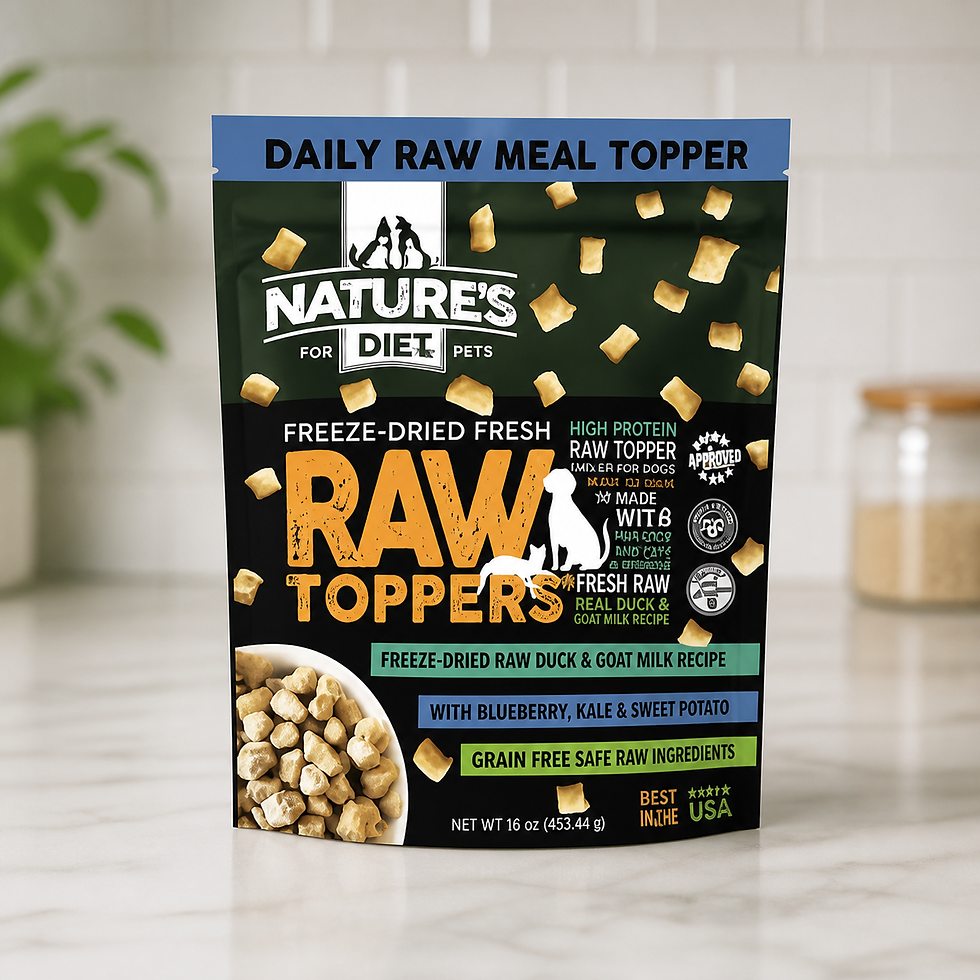
For something you can add to an existing meal, Raw Magic® Chicken offers chicken, liver, gizzards, bone broth, and other whole-food ingredients in a topper format.
And if you want a simple pantry staple, Original Chicken Bone Broth is an easy addition to the feeding routine.